

Debt Settlement After Divorce: A Consumer Guide
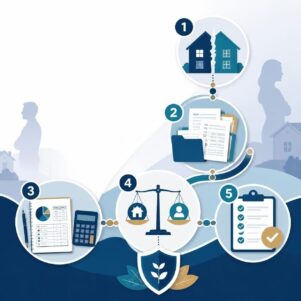
Divorce can change your household income, expenses, and responsibilities all at once. If credit cards or personal loans are still difficult to manage, understanding debt settlement after divorce can help you compare it with other options without assuming that a divorce agreement automatically changes what a creditor can do. Start by separating what you know about each account from what your divorce paperwork says, then get qualified advice before making a major decision.
Talk through your debt-relief options
What does debt settlement after divorce mean?
Debt settlement is a process in which a debtor or a service provider seeks to negotiate with a creditor to accept less than the full amount owed on an eligible debt. It is generally discussed in connection with unsecured debts, such as credit cards or some personal loans. It is not a way to revise a divorce judgment, remove an ex-spouse from an account, or make a creditor accept a particular offer.
After a divorce, settlement may be one option to consider if unsecured debt remains unaffordable. But it is not automatically the best choice just because a marriage has ended. The amount and type of debt, account ownership, income, assets, payment status, state law, and the terms of any court orders can all matter. A creditor may decline to settle, and a settlement process can carry costs and risks. No provider can guarantee that every creditor will agree or that a particular outcome will follow.
For a basic overview of the debt type, see what unsecured debt is. To understand the wider legal process, this plain-language guide to bankruptcy can help frame another option to discuss with a qualified professional.
Does a divorce decree erase or divide a debt?
A divorce decree or marital settlement agreement can assign responsibility for a debt between former spouses. However, the agreement between spouses and the contract with the creditor are not necessarily the same thing. Whether a creditor can seek payment from a particular account holder or co-signer depends on the account documents and applicable law. Do not assume that an order requiring an ex-spouse to pay has changed the creditor’s records or released another borrower.
Review account statements and original agreements to see whose names appear, who is an authorized user, and whether anyone co-signed. Then compare those records with the divorce documents. If the two do not line up, ask a family-law attorney or another qualified legal professional what the order means for your circumstances before you stop paying or move money. The Department of Defense’s financial implications of divorce checklist also highlights the value of reviewing settlement documents and reassessing finances after a divorce.
Keep copies of the decree, account statements, payment records, and communications with creditors in one place. If you make an agreement with a creditor, request its terms in writing and understand what happens next. If you are not sure whether a debt is joint, individual, or disputed, do not rely on a recollection of who used the card; confirm the account details first.
Which debts should you review first?
Make a list of every debt before comparing solutions. This simple inventory helps distinguish debts that might be considered for settlement from obligations that have different rules or consequences. It can also reveal whether the immediate problem is a short-term cash-flow gap or an ongoing inability to afford unsecured payments.
- Credit cards: Record the balance, minimum payment, account holder, any co-borrower, and whether the account is current or past due.
- Personal loans: Check the signed agreement for borrowers and any collateral. Do not assume every personal loan is unsecured.
- Medical bills and other unsecured accounts: Verify the current balance, creditor or collector, and the basis for the amount claimed.
- Car loans and mortgages: These are commonly secured by property. A debt settlement program for unsecured debt is not a substitute for a plan to keep up with secured loan payments.
- Taxes, support obligations, and student loans: These may have distinct legal or program rules. Get advice specific to the debt rather than treating them like credit-card balances.
For each account, note the current balance, interest rate if known, monthly payment, due date, account status, and whether you recognize the debt. Avoid sharing sensitive information with an unsolicited caller. If a balance appears wrong or the account is unfamiliar, get qualified help to understand how to respond.
What should your post-divorce budget include?
Before agreeing to a payment plan or settlement approach, build a realistic budget around your current household, not the household you had during the marriage. Use take-home income that is reasonably dependable. List essential costs first, including housing, utilities, food, transportation, insurance, health care, and obligations set by court order. Include irregular but predictable expenses such as car repairs, school costs, and annual insurance bills by estimating a monthly amount for them.
Next, list minimum payments and other required debt payments. Compare the total with what remains after essentials. If the budget only works by skipping necessities, borrowing again, or assuming uncertain support or income, it is not a sustainable plan. Leave room for unexpected costs where possible. A new household may also have one-time expenses, such as deposits or replacing basic items; record these separately instead of hiding them in a monthly estimate.
Consider whether you and your former spouse still share an account or recurring payment. Make a plan to understand who is responsible for each payment and whether the account can be changed under the creditor’s rules. Discuss account changes with legal counsel when they could conflict with a court order. A practical checklist for dealing with debt in divorce can provide another starting point for organizing these questions.
A simple worksheet can make the next conversation more useful. For each option, write down the monthly amount you would need to set aside, the expected duration if known, any fees, and what you might still owe if the plan does not work as hoped. Mark which amounts are confirmed and which are estimates. If an option depends on extra work hours, proceeds from a home sale, or support that has not started, show that dependency clearly rather than treating the money as certain.
For example, imagine a person whose post-divorce budget has room for some debt payments but not all of them. They can list the amount available after essential bills, ask creditors about hardship terms, and compare those terms with any settlement or counseling proposal. The purpose is not to predict an outcome; it is to test whether each proposed payment fits the real budget and identify what questions remain unanswered.
How can debt settlement work after divorce?
In a debt settlement process, the consumer or a provider attempts to negotiate with a creditor for a resolution that may be less than the full balance. The creditor decides whether to accept an offer. Outcomes and timing vary; no one can promise that a particular debt will settle, for a certain amount, or by a particular date.
Some consumers consider settlement when they cannot keep up with unsecured debt payments and other approaches do not fit their circumstances. It is important to know how a proposed plan is funded, what fees apply, when any fees may be charged, how creditors will be contacted, and what may happen if settlement is not reached. Ask for clear written disclosures and take time to review them. The National Consumer Law Center discusses debt settlement and debt-elimination practices in its consumer-law materials; its overview of debt elimination, settlement, and adjustment is one reference for recognizing why the details of a service matter.
Do not confuse settlement with simply stopping payments. A missed or reduced payment can have consequences, and creditors may continue collection efforts or pursue available legal remedies. A provider cannot control a creditor’s decision. Before entering a program, ask how you will handle creditor calls and letters, what support is available if circumstances change, and what you should do if you are served with legal papers. Get prompt legal advice about any lawsuit or court deadline.
What options should you compare?
There is no single solution for every person after divorce. Compare the likely cost, time, effect on your monthly budget, and risks of each option. The table is a starting point, not a recommendation; details depend on the account, your finances, and applicable law.
| Option | What it may involve | Questions and cautions |
|---|---|---|
| Directly contact creditors | Ask the creditor whether it offers a payment arrangement or other hardship option. | Ask how long the terms last, what happens to interest and fees, and whether the arrangement will be reported. Get the agreement in writing. |
| Credit counseling or a debt management plan | A counselor may review your budget; a plan may consolidate eligible payments through an organization. | Ask about fees, participating creditors, payment terms, and whether the plan fits your income. Confirm the organization and terms before enrolling. |
| Debt settlement | You or a provider seeks creditor agreement to resolve an eligible debt for less than the full amount. | Settlement is not guaranteed. Review fees, timing, risks, and what happens if a creditor declines or you cannot fund an offer. |
| Debt consolidation | You may replace several debts with a new loan or other consolidated payment. | Compare the total cost, interest, term, and any collateral. A lower payment can mean a longer repayment period or higher overall cost. |
| Bankruptcy consultation | A qualified bankruptcy attorney reviews whether a bankruptcy option may apply to your situation. | Eligibility, consequences, and treatment of property and debts depend on individual facts and law. Get legal advice before deciding. |
| Self-managed repayment | You prioritize payments and work through a budget, possibly with creditor arrangements. | Check whether the proposed payment schedule is realistic and whether interest or fees could keep balances from falling as expected. |
To compare two frequently considered approaches, read about debt settlement versus debt management. You can also review debt management versus debt consolidation and the broader list of debt-relief options before narrowing your choices. If bankruptcy is part of the discussion, compare it carefully with bankruptcy and debt settlement; neither choice should be made on a general article alone.
What costs and risks should you ask about?
Ask a provider to explain every fee, the event that triggers it, and whether you may owe money if no settlement is reached. Read the contract for cancellation terms and any other charges. Be wary of pressure to sign immediately or promises that every debt will be resolved. A useful conversation should leave you with time to compare alternatives and get independent advice.
Also consider the practical risks. A settlement may take time, and creditors are not required to accept a proposal. If payments are missed, balances may change and collection activity may continue. Credit reporting may be affected by payment history and account status; settlement itself does not guarantee a particular credit result. Depending on the facts and tax rules, forgiven debt may also raise tax questions. Ask a tax professional whether a cancellation-of-debt issue applies to you. These possible consequences are not identical in every case.
Consumers should distinguish a provider that clearly explains its service from claims that debt can simply be erased. In a 2009 public comment hosted by the FTC, the National Association of Attorneys General cited the National Consumer Law Center’s criticism of debt settlement business practices. This is historical commentary, not a description of every provider or a substitute for current disclosures. Check terms yourself and ask specific questions before enrolling. Read the public comment.
How can you evaluate a debt-relief provider?
Use an initial conversation to test whether the explanation is specific and balanced. A provider should be able to describe which debts it works with, how its process is funded, what the consumer is expected to do, and what happens if no creditor accepts an offer. Ask for time to read the contract and compare the proposal with other approaches. If a representative avoids direct answers or says you must decide immediately, pause and verify the claims independently.
- Request a written explanation of services, fees, and the circumstances in which fees may be charged.
- Ask how the provider handles joint accounts, ex-spouse involvement, and changes in income or household expenses.
- Confirm how money is held, who controls access, and what permissions are needed before funds are sent to a creditor.
- Ask what support is available if a creditor contacts you, declines an offer, or files a lawsuit.
- Check whether the provider explains alternatives and risks, not only a hoped-for settlement result.
Compare written answers rather than relying on a slogan or a verbal estimate. Debt settlement organizations may use different fee terms, processes, and qualifications. A company should not imply that an outcome is certain or that you have to act before understanding your options. The guide to choosing a reputable debt-relief organization offers questions to consider when reviewing a provider.
What if you own a home or recently filed bankruptcy?
If you own a home, keep mortgage obligations and other secured debts separate from unsecured credit-card or personal-loan balances when you evaluate a proposal. A settlement of an unsecured account does not itself change a mortgage contract or guarantee that a home or other asset is protected. If your divorce agreement, a joint mortgage, or property ownership is involved, consult an attorney about the documents and state-specific rules before changing payments or title. Homeowners weighing alternatives can review this careful guide to debt-relief options for homeowners, then get advice for their own circumstances.
If you filed Chapter 7 bankruptcy within the past several years, do not assume that you can simply file again or that a particular debt option is available. Bankruptcy timing and eligibility depend on the applicable law and details of the prior case. A bankruptcy attorney can review the case history and explain which options may be open to you. A recent bankruptcy does not by itself establish whether settlement is appropriate; income, current debts, account status, and the ability to sustain payments all matter.
What steps can you take before choosing?
- Gather records. Collect the divorce judgment or agreement, account statements, loan documents, and recent creditor communications.
- Verify each account. Note who signed, the current balance, whether it is secured, and whether a former spouse is connected to it. Contact the creditor using a verified phone number if you need account information.
- Build a current budget. Use income and expenses for your present household, including court-ordered obligations and irregular expenses.
- Protect essential bills. Identify housing, utilities, transportation, insurance, and other necessities before deciding what is available for unsecured debt.
- Ask about legal questions. If the decree and creditor records seem inconsistent, or a creditor has sued or threatened legal action, consult an attorney familiar with your circumstances.
- Compare written proposals. Request the complete fee schedule, timeline assumptions, services, risks, and cancellation terms. Compare them with creditor hardship options, counseling, consolidation, and legal advice.
- Take time to decide. Do not share account access or sign documents you do not understand. Confirm who will hold or move funds and how you retain control.
Some people are also trying to rebuild savings while managing a new budget. A realistic savings plan can help you think about future expenses, but do not use a generic savings target instead of addressing an urgent legal or housing concern.
Frequently Asked Questions
Can I settle a joint credit-card debt after divorce?
You may explore options with the creditor, but settlement is not guaranteed and account responsibility depends on the account documents and applicable law. A divorce agreement may allocate payments between former spouses without itself changing the creditor’s contract. Confirm the account details and ask a qualified attorney how your documents apply.
Should I stop paying before trying to settle?
Do not stop payments solely because you read that missed payments may be part of a settlement strategy. Missed payments can have consequences, and a creditor may continue collection efforts or take legal action. Review your full situation with a qualified professional, understand the risks, and get advice about any legal notice or court deadline.
Can debt settlement remove my former spouse from an account?
Settlement and removing a borrower from an account are different matters. A creditor controls account changes under its policies and contract, while legal responsibility can also depend on applicable law. Ask the creditor what changes it will allow and consult an attorney if the change could affect your divorce agreement.
Does debt settlement improve credit after divorce?
No particular credit-score result can be promised. Credit outcomes depend on individual credit history and account reporting, and payment activity may affect credit. If rebuilding credit is a priority, ask a qualified counselor or financial professional about a plan based on your whole credit file; this guide to debt settlement and credit explains considerations to discuss.
Can debt settlement address child support, taxes, or a mortgage?
Do not assume that a process designed for eligible unsecured consumer debt can resolve support obligations, tax debts, a mortgage, or a car loan. These obligations can have distinct rules and consequences. Identify the type of debt and seek advice from an appropriate legal, tax, or financial professional.
Learn how debt settlement may fit among debt-relief options
Divorce can make debt decisions feel urgent, but careful records, a realistic budget, and clear answers about account responsibility can help you compare choices at your own pace. Confirm your individual legal and financial situation before committing to a plan.
