

Can Hardship Help You Settle Debt for Less?
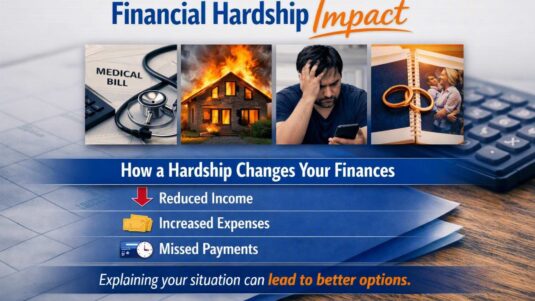
When debt becomes difficult to manage, the reason behind the financial strain matters. A serious hardship can change your income, expenses, and ability to keep up with unsecured accounts. Understanding how to explain that change can help you have a more informed conversation about your options, including whether settlement may be worth evaluating.
A medical bill, wildfire, house fire, or job loss can change what you can afford to repay.
This article is educational, not a promise that a creditor will accept an offer or that any person will qualify for a particular program. If you want to discuss your situation, you can request a free debt analysis from New Era Debt Solutions.
What are hardship reasons for debt settlement?
A hardship reason is a major financial disruption that affects your ability to repay an unsecured debt under the original arrangement. Examples can include a sudden medical expense, a layoff, a significant reduction in income, a house fire, or a divorce that creates two sets of household expenses.
When someone evaluates settlement, the relevant question is not simply whether a difficult event occurred. The practical question is how that event changed the household budget and what amount, if any, could realistically be directed toward the account. A hardship explanation should connect the event to the numbers without exaggerating or leaving out important facts.
Debt settlement is not the same as debt consolidation, credit counseling, or bankruptcy. Start by learning how the options differ, including the types of debt involved. New Era’s resources on debt settlement and unsecured debt can provide additional background.
Common hardship circumstances to document
Medical hardship
Medical treatment, an emergency, a long recovery, or ongoing care can create bills that were not in the original budget. Time away from work can add a second pressure point. Gather itemized bills, explanation-of-benefits statements, insurance correspondence, payment plans, and proof of any income change. Keep the documentation focused on the financial effect rather than sharing more medical detail than is necessary.
Wildfire, house fire, or another disaster
A wildfire or house fire can lead to temporary housing, repair costs, a deductible, replacement purchases, and interruptions to work. Floods, hurricanes, severe storms, and other disasters can create similar disruptions. Save insurance letters, claim information, fire or disaster reports, temporary-housing receipts, repair estimates, and relevant assistance correspondence. FEMA’s disaster assistance application guidance explains how to keep track of a disaster-related request and supporting information.
Job loss or unemployment
A layoff, business closure, reduced shifts, or a long job search can make a previous payment plan unaffordable. Useful records may include a separation or layoff notice, recent pay stubs, unemployment-benefit records, job-search documentation, and a current household budget. If another person in the household is still earning income, include the complete picture so the discussion is accurate.
Reduced income or higher essential costs
Not every hardship is a single dramatic event. A pay cut, fewer hours, loss of overtime, caregiving responsibilities, or a sharp increase in rent, utilities, insurance, or transportation can steadily reduce available cash. Compare older and current pay stubs, bank statements, benefit records, and bills. A simple month-by-month timeline can show when the change occurred and how it affected the budget.
Divorce or separation
Divorce or separation can change housing, childcare, insurance, legal, and transportation costs. It can also shift which person is responsible for particular accounts. A final order, temporary support order, custody-related expense records, legal invoices, and updated income and expense information may help explain the transition. Do not assume that a divorce automatically changes a joint account or releases either person from a contractual obligation.
Other major financial disruptions
Other circumstances may include the death of a household earner, a serious accident, long-term caregiving, a natural disaster, a business interruption, or an unexpected family expense. The strongest explanation is specific and truthful: identify what changed, when it changed, which expenses or income were affected, and what the current budget shows.
How to organize hardship documentation
Before discussing an account, build a short hardship file. It does not need to be complicated. The goal is to make the financial story clear and protect your records.
- Write a timeline: note the date of the event, when income or expenses changed, and any steps already taken.
- Collect primary records: use bills, statements, notices, pay stubs, benefit records, insurance correspondence, court documents, and receipts where available.
- Prepare a current budget: list take-home income, housing, utilities, food, transportation, insurance, medical costs, support obligations, and other essentials.
- List each unsecured account: record the creditor, account type, balance shown on the latest statement, payment status, and contact information.
- Protect sensitive data: redact Social Security numbers, full bank-account numbers, passwords, and unrelated medical details before sharing copies.
- Keep copies and written terms: save every letter or agreement, and do not rely on a verbal description of an offer.
The Consumer Financial Protection Bureau’s debt-collection resources explain consumer rights and questions to consider when communicating about a debt. The Federal Trade Commission also provides consumer information about debt relief services and warning signs. These sources are useful starting points, but they do not determine whether a specific account or person is eligible for settlement.
What a hardship can and cannot establish
A documented hardship can provide context for a conversation about an account. It may help explain why the original payment arrangement no longer fits the household budget. It can also help you compare possible next steps with a clearer understanding of your income, expenses, and obligations.
It cannot establish that a creditor must accept a settlement, that a specific amount will be accepted, that you will save a certain amount, or that you will qualify for a debt-relief option. Settlement may also affect credit reporting, collection activity, taxes, fees, or other financial decisions. Results depend on the facts, the accounts involved, the parties reviewing the situation, and applicable law.
Do not stop making payments, ignore notices, transfer assets, or change an existing arrangement solely because you read an online article. Consider your complete situation and get appropriate professional advice before making a decision. For general background, you can also review New Era’s debt-settlement FAQ.
If you are ready to organize the facts, contact New Era for a free debt analysis. A conversation can help you identify the questions to ask about your unsecured accounts and the options that may be worth exploring. An analysis is not a guarantee of eligibility, creditor acceptance, savings, credit improvement, or any other result.
Frequently asked questions
Does a hardship guarantee that a creditor will settle?
No. A hardship can explain why repayment has become difficult, but it does not require a creditor to accept an offer or set a particular settlement amount. Any decision depends on the account, the creditor or debt owner, the available information, and the applicable rules.
What documents are most useful?
Use records that show both the event and its effect on the budget. Depending on the situation, that may include bills, insurance or disaster correspondence, layoff notices, pay stubs, benefit statements, court documents, bank statements, and a current income-and-expense summary. Redact sensitive information that is not needed.
Which debts might be considered unsecured?
Credit-card balances and some personal loans are common examples of unsecured debt. Medical accounts and other obligations can have different rules and collection histories. Secured debts, government-related obligations, and accounts with special legal terms require separate review. Do not assume that every debt can be handled the same way.
Should I stop paying an account because I have a hardship?
Not based on this article alone. Stopping or changing payments can affect fees, collection activity, credit reporting, and legal risk. Review the consequences with a qualified professional who can consider your specific accounts and circumstances.
How can I start a conversation about my situation?
Gather a timeline, current budget, account list, and supporting records, then use New Era’s contact page to request a free debt analysis. Bring questions and ask which facts, documents, and alternatives should be considered. No one should promise a particular outcome before reviewing the full situation.
