

Can I Settle My Debts on My Own?

Of course you can, but the bigger question is whether you should settle your debts on your own. Debt settlement is a legally recognized strategy for resolving unsecured debts for less than the full balance, and consumers are fully allowed to negotiate directly with creditors.
This guide explains how DIY debt settlement works, when it is effective, and the risks involved.
What DIY Debt Settlement Actually Involves
- Demonstrating financial hardship
- Requesting a reduced settlement amount
- Negotiating terms and payment timelines
- Obtaining written settlement agreements
- Making lump‑sum or structured payments
- Verifying that the account is properly updated as “settled”
When its Common for Consumers to Settle Debt on Their Own?
- They have one or perhaps two small accounts
- The debts are already charged off
- They have a lump sum available
- They are comfortable with negotiation
- They understand the documentation required
Are There Any States Where Debt Settlement Is Not Possible?
Debt settlement is legal in most U.S. states, but some states restrict or prohibit for‑profit debt settlement companies from operating. These restrictions apply to companies — not to consumers. Consumers in every state still have the legal right to negotiate directly with creditors.
States With Restrictions on For‑Profit Debt Settlement Companies
- Georgia
- Hawaii
- Iowa
- Kansas
- Louisiana
- Maine
- New Hampshire
- New Jersey
- Oregon
- West Virginia
Important Clarification
Even in restricted states:
- Consumers can still negotiate their own settlements directly with creditors
- Nonprofit credit counseling agencies may still operate
- Law firms offering debt negotiation services are typically exempt
Why These Restrictions Exist
States that restrict for‑profit debt settlement companies typically do so to:
- Prevent abusive or deceptive practices
- Protect consumers from high fees
- Ensure compliance with state‑level financial regulations
These laws do not prevent consumers from pursuing DIY debt settlement.
What Consumer Debts Can Be Legally Settled?
Not all debts can be negotiated or reduced through settlement. Debt settlement applies only to unsecured consumer debts, meaning debts that are not tied to collateral. These creditors are often willing to negotiate because they have fewer recovery options compared to secured lenders.
Debts That Can Be Legally Settled
- Credit card debt
- Unsecured personal loans
- Medical bills
- Private student loans
- Unsecured lines of credit
- Store cards and retail credit accounts
- Collections and charged‑off accounts
- Old utility bills
- Broken apartment leases
Debts That Cannot Be Settled Through Traditional Debt Settlement
- Federal student loans
- Auto loans
- Mortgages and home equity loans
- Child support or alimony
- Court‑ordered judgments
- Tax debts
- Criminal fines or restitution
Advantages of Settling Debt on Your Own
No Professional Fees
DIY settlement avoids the fees charged by professional debt relief companies.
Direct Communication
Some consumers prefer to speak directly with creditors and maintain full control.
Flexibility
You can negotiate at your own pace and choose which accounts to address first.
Challenges and Risks of DIY Debt Settlement
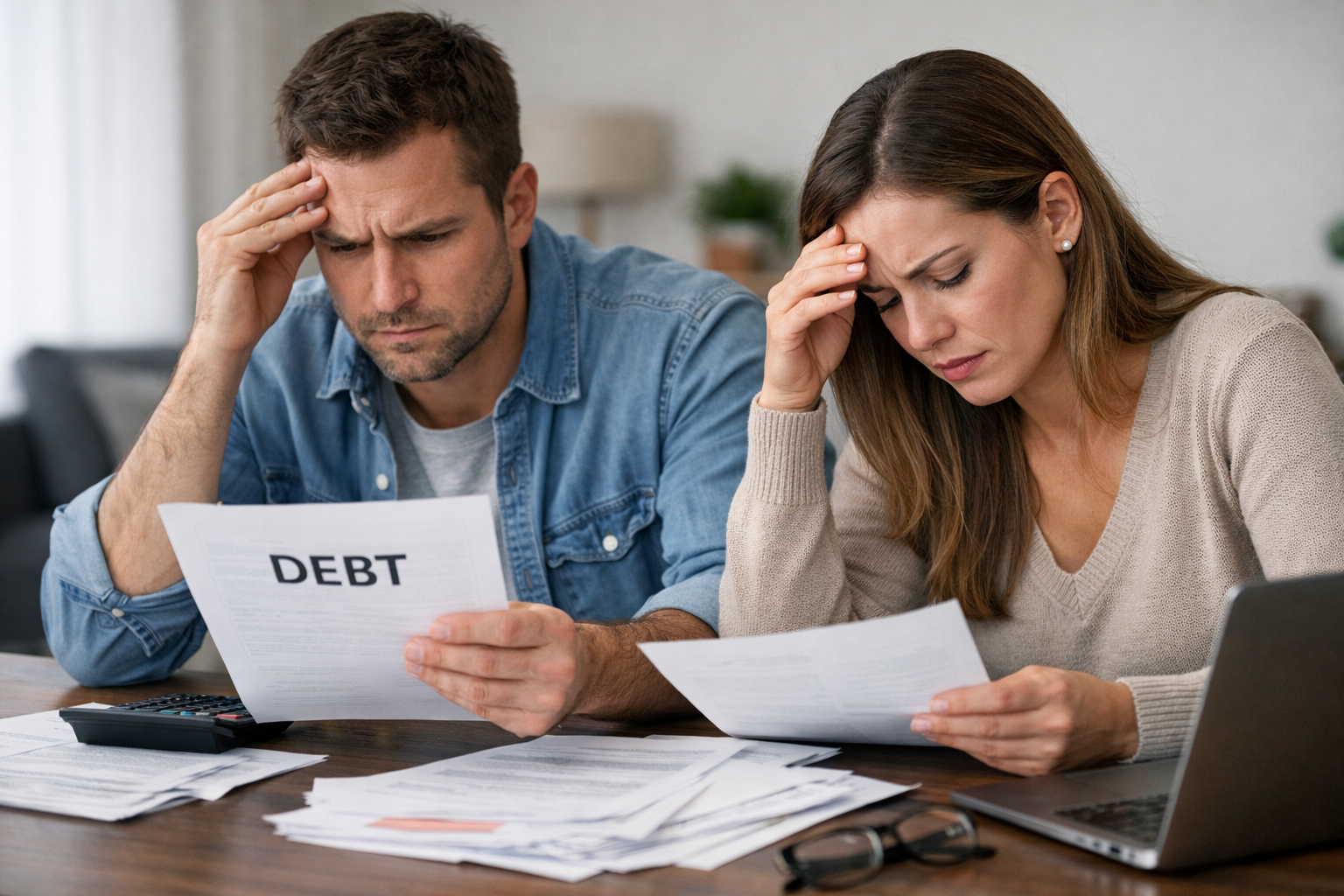
Negotiation Disadvantages
Creditors negotiate daily and understand leverage; consumers often do not.
Complex Multi‑Creditor Management
Each creditor may have different policies and documentation requirements.
Documentation Errors
Without proper written agreements, consumers risk incorrect reporting.
Potential Tax Obligations
Forgiven debt may be considered taxable income.
Legal Exposure
If a creditor files a lawsuit, the negotiation landscape changes.
When DIY Debt Settlement May Not Be Advisable
- You have multiple delinquent accounts
- You are facing legal action
- You do not have a lump sum available
- You are uncomfortable negotiating
- You struggle with organization
- You are dealing with aggressive collectors
When DIY Debt Settlement Can Be Effective
- You have 1–3 accounts
- You can access a lump‑sum payment
- You are comfortable negotiating
- You maintain detailed records
- You understand credit and tax implications
Best Practices for Settling Debt on Your Own
Always Get Written Agreements
Settlement terms must be documented clearly.
Keep Comprehensive Records
Document every call, letter, email, and payment.
Understand Your Rights
The FDCPA outlines what collectors can and cannot do.
Know When Creditors Typically Settle
Most settlements occur after charge‑off.
Respond Promptly to Legal Notices
Ignoring legal action can result in judgments or garnishments.
So, Should You Settle Your Unsecured Debts on Your Own?
DIY settlement can be effective, but it requires time, organization, and negotiation skill. For some consumers, it is a practical approach. For others, professional assistance may reduce risk and stress.
Frequently Asked Questions
Are there any states where debt settlement is not possible?
Debt settlement is legal nationwide, but some states restrict or prohibit for‑profit debt settlement companies from operating. These restrictions apply to companies—not consumers. Residents of all states, including restricted states such as Georgia, Hawaii, Iowa, Kansas, Louisiana, Maine, New Hampshire, New Jersey, Oregon, and West Virginia, can still negotiate their own settlements directly with creditors or work with law firms or nonprofit agencies.
What consumer debts can be legally settled?
Most unsecured debts — such as credit cards, medical bills, personal loans, private student loans, and collection accounts — can be settled. Secured or government‑backed debts like mortgages, auto loans, federal student loans, and tax debts cannot be settled through traditional debt settlement.
Is it possible to settle unsecured debt on my own?
Yes. Consumers are legally allowed to negotiate directly with creditors or collection agencies.
How do I start settling my debts myself?
DIY settlement begins by contacting the creditor, explaining your hardship, requesting a reduced payoff, negotiating terms, and obtaining written confirmation.
Do creditors negotiate with consumers directly?
Many creditors will negotiate directly with consumers, especially after an account becomes delinquent or charged off.
What are the risks of settling debt on my own?
Risks include documentation errors, negotiation challenges, tax implications, and potential legal action.
When is DIY debt settlement a good idea?
DIY settlement works best when you have one to three accounts, a lump sum available, and confidence in your negotiation skills.
Can I settle debt without hurting my credit?
Debt settlement typically affects credit because accounts often become delinquent before settlement.
Do I need a lump sum to settle debt myself?
A lump sum often leads to better settlement offers, but some creditors accept structured payments.
Will I owe taxes on forgiven debt?
Forgiven debt may be considered taxable income, and creditors may issue Form 1099‑C.
Can I negotiate with collection agencies myself?
Yes. Collection agencies frequently negotiate directly with consumers.
What should I get in writing before paying a settlement?
You should receive written confirmation of the settlement amount, payment deadline, payment instructions, and a statement that the payment satisfies the debt in full.
P.S. No Upfront Fees is Federal Law
